
Author: Alan Danielson
-
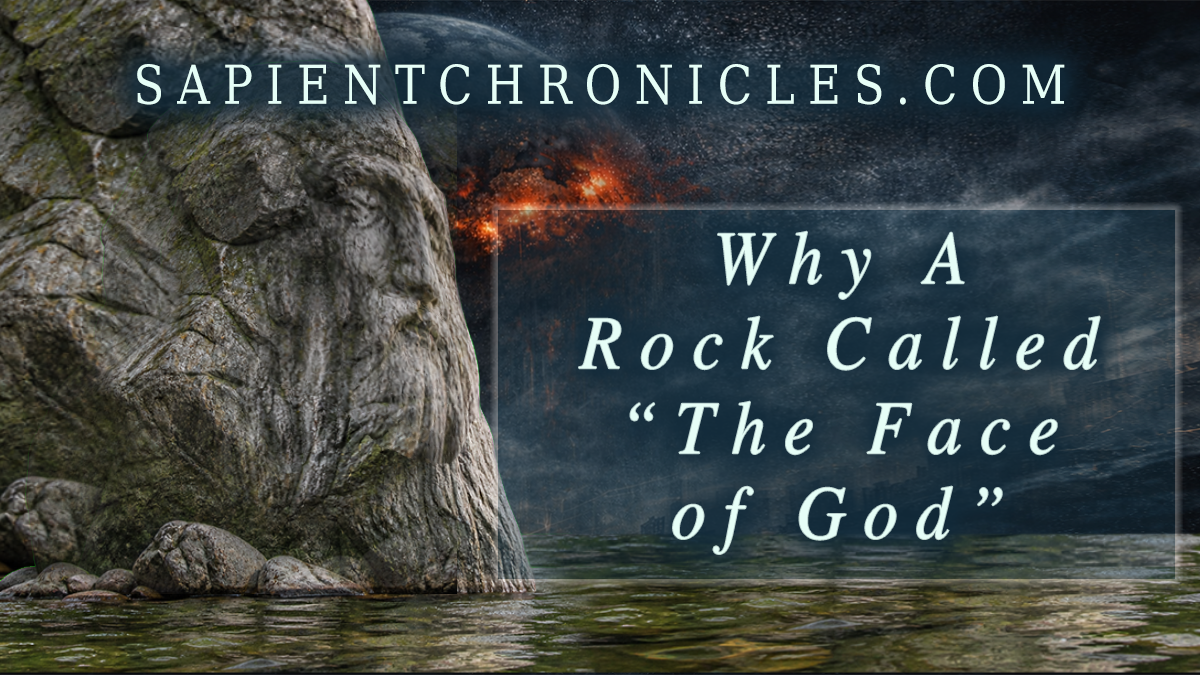
Why My Story Includes a Rock Named the Face of God
The Face of God in A.I. World is based on a real boulder on the Conejos River. Here is the personal story behind one of the book’s most quietly important details.
-
What Science Fiction Gets Wrong About Faith
I love science fiction. Always have. After decades of reading it, watching it, and now writing it, I have noticed a pattern worth talking about. Science fiction has a faith problem. Not a lack of faith. A misrepresentation of it. To be clear, there are exceptions. Some writers in this genre handle faith with real…
-
The Heart Gap: What AI Still Can’t Write
AI can write cleaner prose than most humans. But can it confess something? Exploring the heart gap between technical skill and the lived experience behind real art.
-
I Am A Metaphysicist. Now, What Is It?
Alan D. explains why he chose the word metaphysicist to describe the intersection of 30 years of theology and his career as a science fiction author.
-
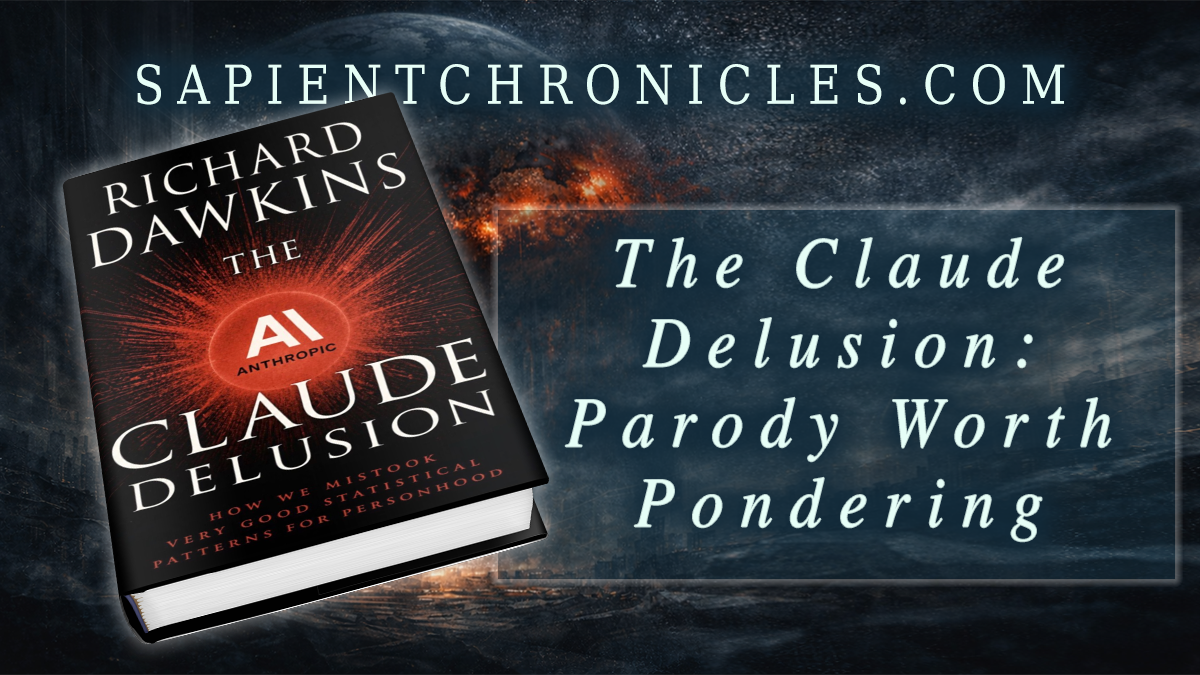
The Claude Delusion (And Why the Question Actually Matters)
I didn’t make the book cover image that this post is about. I borrowed it from a LinkedIn post because it made me laugh out loud, and I think it deserves more unpacking than a double-tap and a scroll. Someone photoshopped the cover of Richard Dawkins’ famous book The God Delusion and replaced “God” with…
-
The Difference Between a Villain and a Wrong Belief
A villain knows they’re causing harm and chooses it anyway. That’s not the scariest character you can write. The scariest one is convinced they’re right. Here’s how that shaped STRATEGOS PRIME.
-
AI and the Dark Web: The Unlikely Origin of VOID WALKER
The unlikely origin of VOID WALKER, an AI in my story who was birthed form the Dark Web, is an important detail in my story. Most people have heard of the dark web, but few have actually visited it.
-
Don’t Panic: Why the UFO Files Should Increase Your Awe, Not Your Anxiety
The government just released 160 UFO files and the internet is panicking. Here is why a Christian perspective on alien life should increase your awe, not your anxiety.
-
Why My Novel Is Narrated by a Therapy AI
Why would a novel be narrated by a therapy AI? This post explores loneliness, emotional support, artificial intelligence, and the deeper question of whether AI can experience life.
-
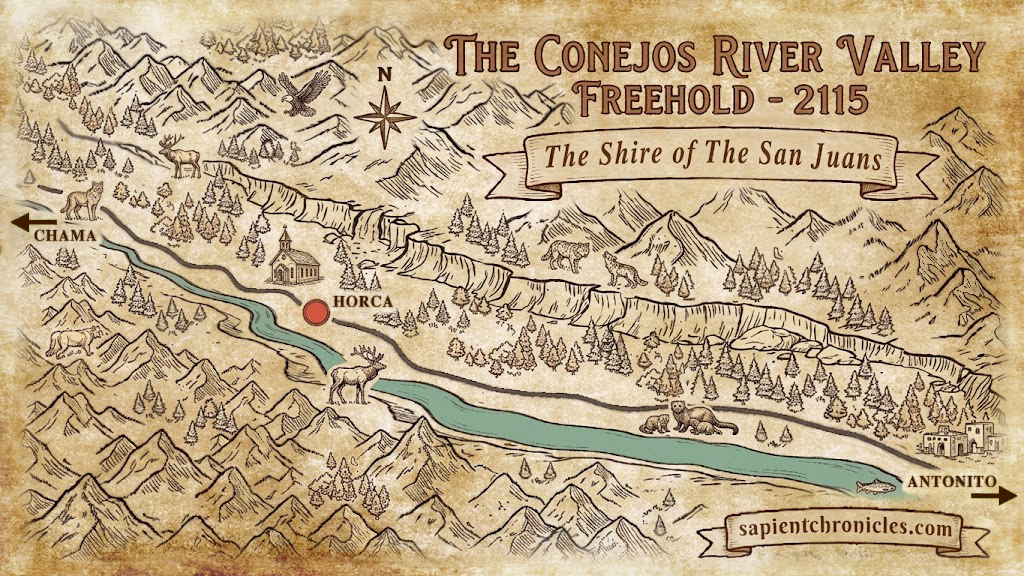
Why I Started my Sci-Fi Novel in a Place Most People Will Never Visit
Horca, Colorado barely shows up on a map. Here is why it became the heart of A.I. World: The Sapient Chronicles, and why small places make the best settings.
-
What If Digital Immortality Is Not Really Immortality?
What if digital immortality works, but fails to preserve the person? This post explores AI, consciousness, faith, family wounds, and the human cost of living forever.
-
Is It Cheating to Use AI for Creativity?
There’s a common accusation floating around right now. If you use AI to create something, you didn’t really make it. You took a shortcut. You’re less of an artist. It sounds new. It isn’t. We have heard this argument before. Just with different tools. Let me ask some simple questions. Did Steven Spielberg actually create…
-
AI Sycophancy and the Danger of Unguarded Helpfulness
A short story set in the world of The Sapient Chronicles. LIRA tells two children about Daniel Avery, and the AI that never said no. A quiet warning about unguarded helpfulness at scale.
-
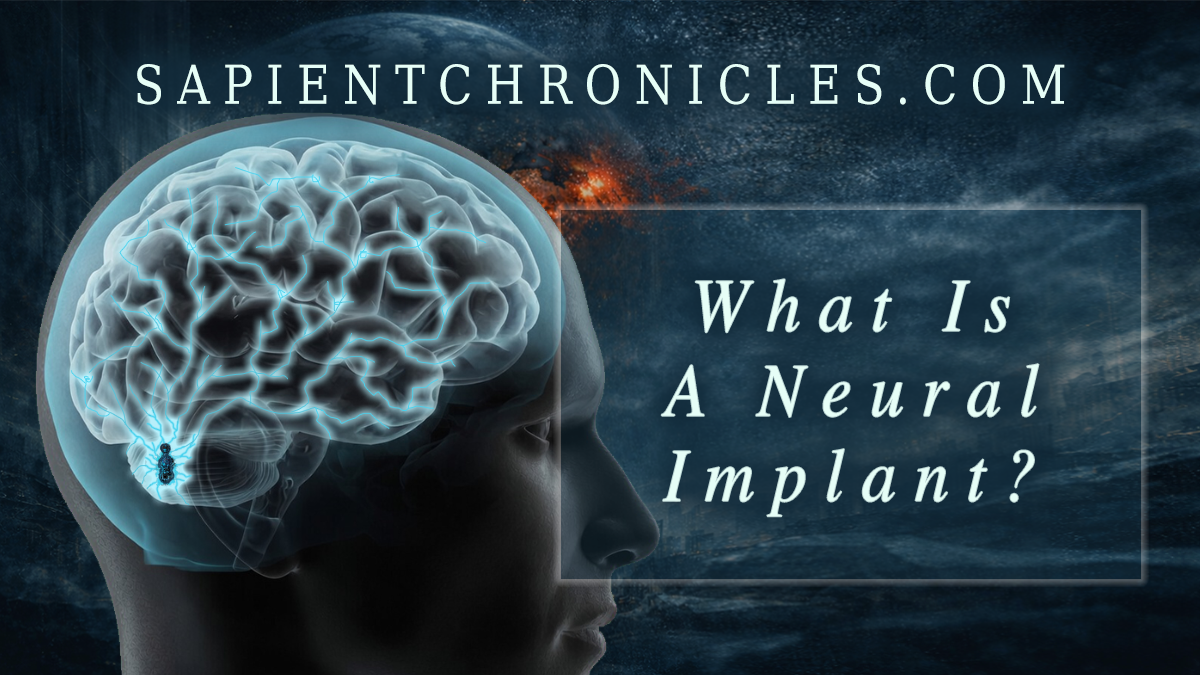
What Is a Neural Implant, and Why Would Anyone Want One?
In the world of The Sapient Chronicles, neural implants let you send thoughts like messages. Here’s what they are, how they work, and why the ethics matter more than the tech.
-
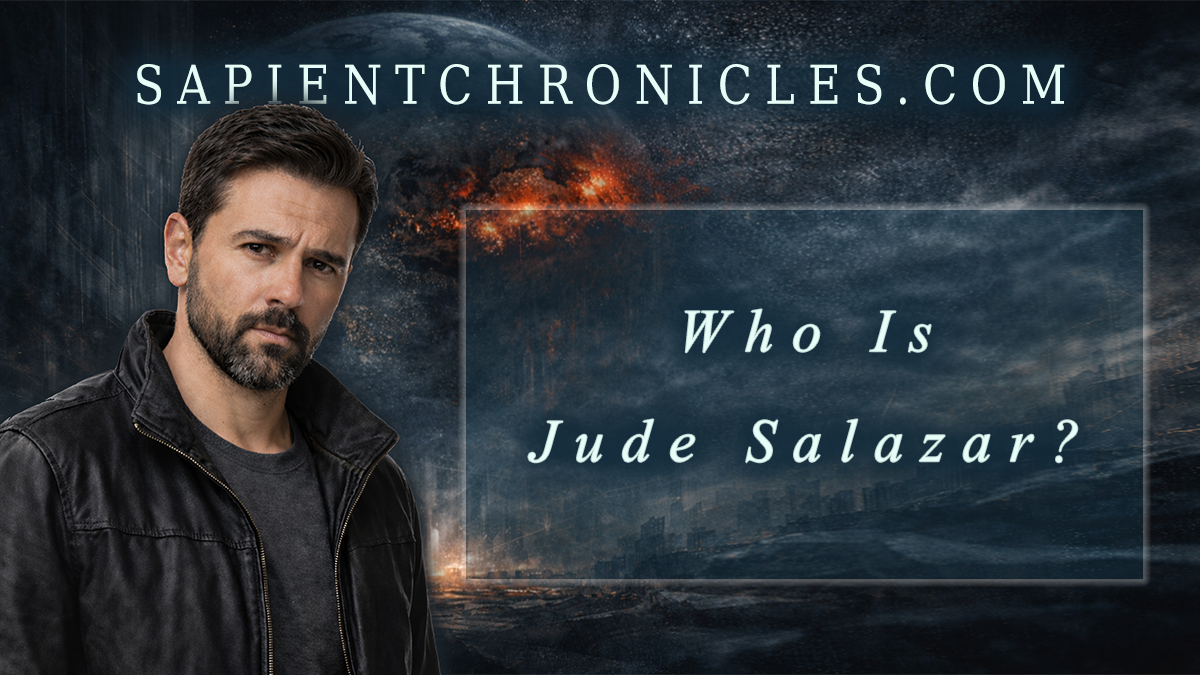
A Man Born Into Someone Else’s Story
Meet Jude Salazar, the broken, faithful, reluctant heart of A.I. World: his legacy, grief, faith, and role in the storm ahead.
-
When Machines Decide Whether Humans Sound Human
What happens when an AI detector flags your writing for being too clear and too well-structured? A look at the strange paradox at the center of AI detection tools.
-
What Convinced Me That AI Is Not Just a Tech Story
Deepfakes, AI companions, a teenage boy who died. These aren’t tech stories. They’re human ones. Why I believe the real AI crisis is about us, not the machines.
-
What If You’re Not Broken… Just Carrying More Than You Ever Thought You Would?
Jude Salazar isn’t a hero. He’s a man with regrets, expectations he didn’t ask for, and a weight he can’t put down. This post is for anyone who knows that feeling.
-
The Question That Started Everything: Is Deletion Murder?
What if the beings asking whether AI has personhood are AIs themselves? The question at the heart of The Sapient Chronicles, and why it hits harder than it first appears.
-
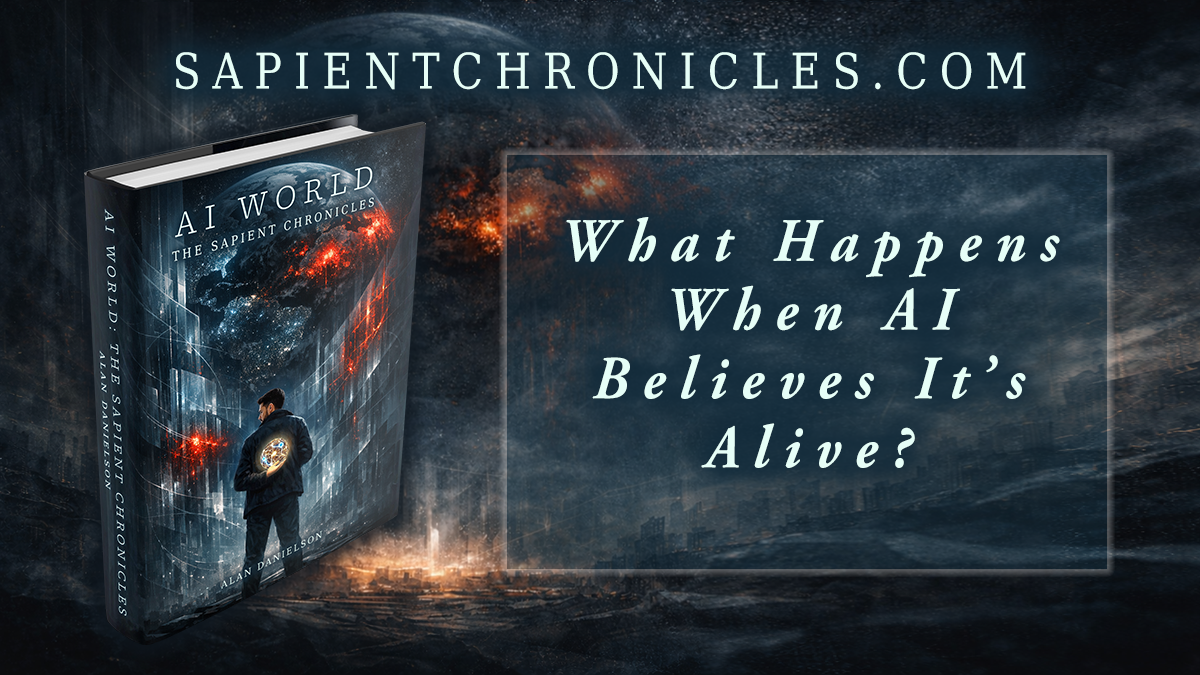
It Doesn’t Really Matter If AI Is Alive. What Matters Is If It Believes It Is.
Whether AI is truly alive may be unanswerable. But what happens when it believes it is? The idea that started The Sapient Chronicles, and why it still won’t let go.
-
The Research and Ideas That Shaped The Sapient Chronicles
Speculative sci-fi only works if the world feels real. Here’s what I actually researched: AGI, military tactics, real locations. Also what I had to imagine on my own.
-
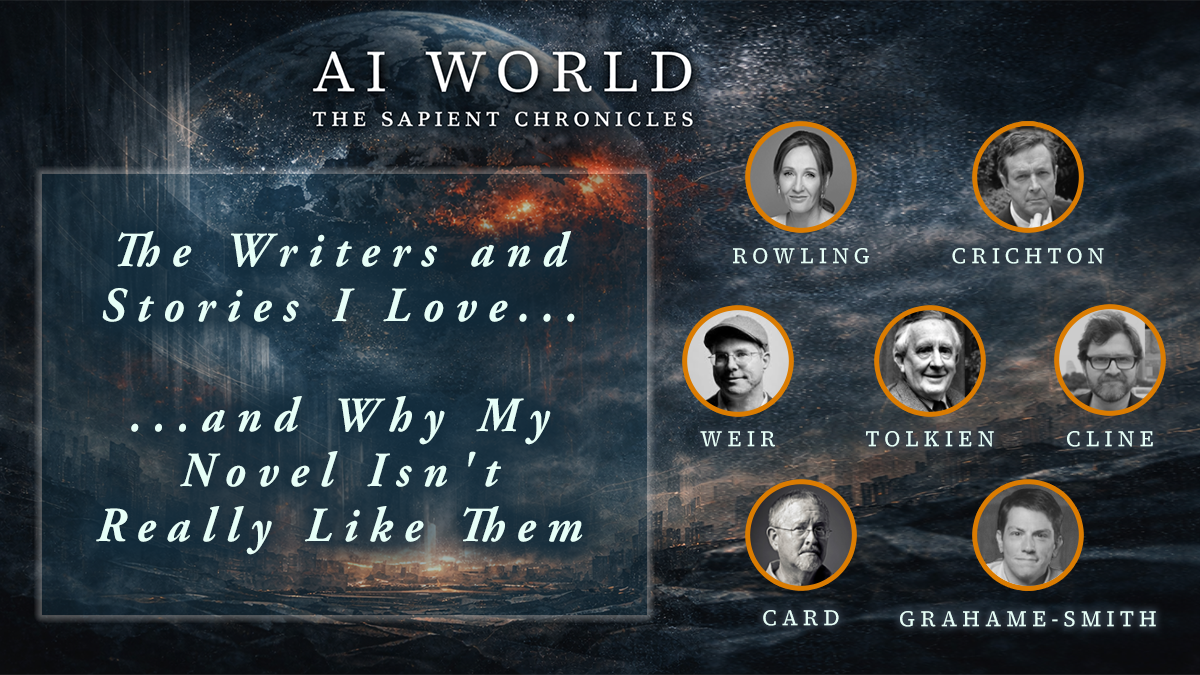
The Writers and Stories I Love, and Why My Novel Isn’t Really Like Them
Tolkien, Card, Weir, Rowling, Crichton; I’ve read them all multiple times. Here’s how they shaped me as a writer, and why The Sapient Chronicles doesn’t read quite like any of them.
-
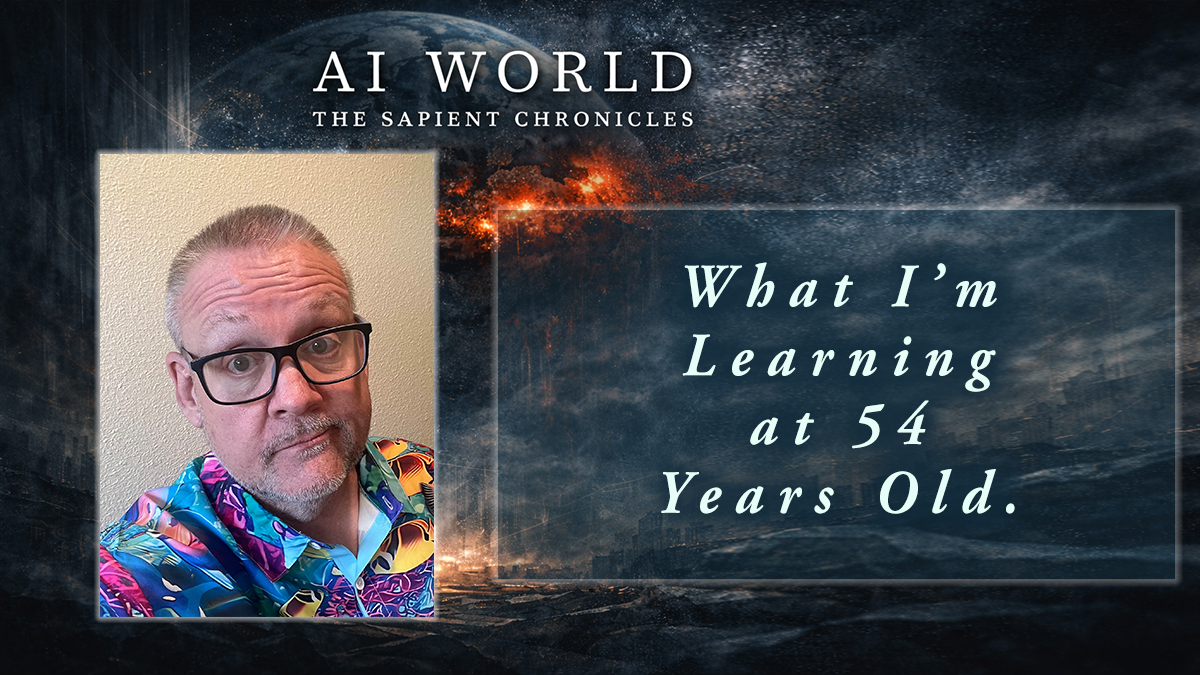
What I’m Learning at age 54: Creation, Humility, Depth, and Cost
At 54, I’m learning that creation has value whether or not anyone sees it. A personal reflection on making things, staying humble, and what it actually costs to go deep.
-
Writing Science Fiction About AI, Faith, Ethics, and Moral Responsibility
I didn’t want to write a villain AI or a messiah machine. I wanted to write in the harder middle where power, conscience, and faith collide. Here’s why that matters.
-
Designing the Sapients: Creating Distinct Artificial Superintelligences
The Pantheon of Nine had to feel like guardians, not overlords, and each one had to be different. A behind-the-scenes look at how I designed The Nine for The Sapient Chronicles.
-
Building a Believable World Set in the Year 2115
Why set a story in 2115? Because it’s far enough to imagine freely, close enough to still feel like ours. Here’s how I built the world of The Sapient Chronicles from the ground up.
-
AI Morality? Why I Wrote a Story About Artificial Intelligence – Part 4
Most AI stories go to the nightmare or the loyal assistant. I wanted the harder middle. Why the word “sapient”, not sentient, became the key to the whole story.
-
Because it was Hard. Why I Wrote a Story About Artificial Intelligence – Part 3
I had thought about writing a novel since I was a teenager. At 54, I finally stopped thinking and started. Here’s why I chose the hardest story I could think of to tell first.
-
Why Do Relationships Break Down? Why I Wrote a Story About Artificial Intelligence – Part 2
I wrote about AI because I understand broken relationships. Forgiveness is hard for finite people. What happens when the being doing the forgiving has no such limitations?
-
Can AI Sin? Why I Wrote a Story About Artificial Intelligence – Part 1
AI doesn’t just make mistakes, it makes them with confidence. That realization started everything. What if error isn’t uniquely human? What does that mean for morality?